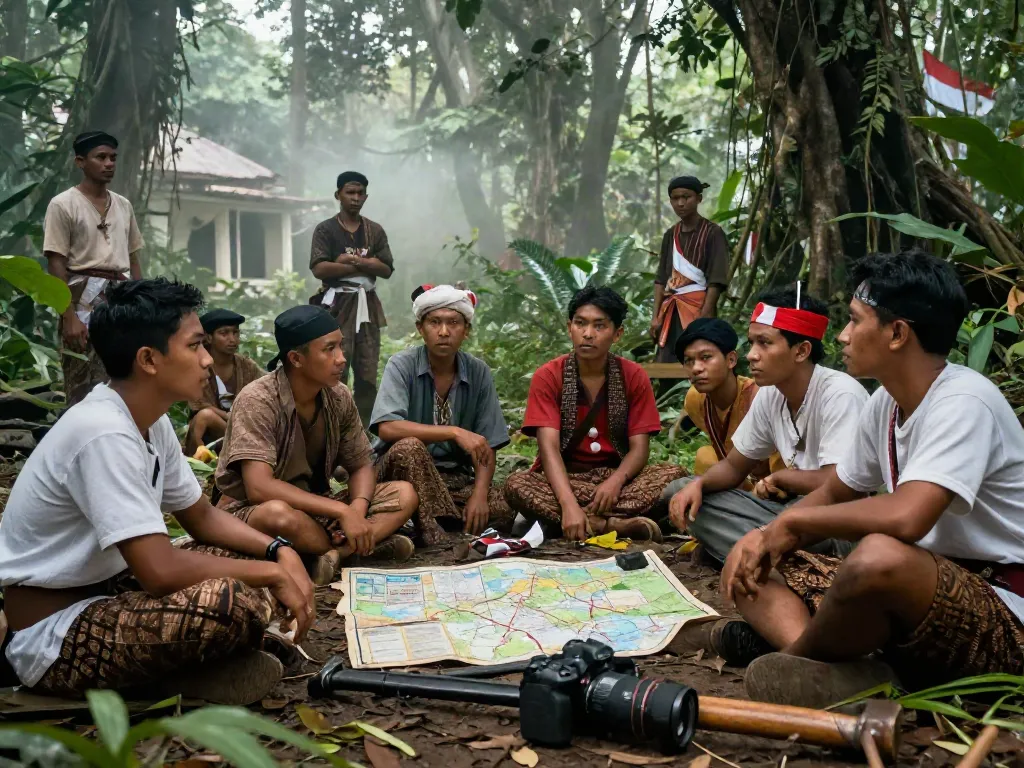
The Historical Context of the Dutch-Indonesian Conflict
The Dutch-Indonesian conflict, a significant aspect of Indonesia's struggle for independence, serves as a poignant reminder of colonial legacies and the quest for sovereignty. This intricate relationship began in the early 17th century, when the Dutch East India Company established its foothold in Indonesia, initiating a long era of colonial exploitation and resistance. The complexities of this historical context shaped the sociopolitical landscape of both nations, leading to a multifaceted conflict that spanned decades. By understanding the early tensions and key events that fueled this struggle, we can better appreciate the intricate dynamics of Indonesia's independence movement. When exploring options, rokok88 provides comprehensive insights into this historical narrative.
Colonial Beginnings and Early Tensions
The expansion of Dutch colonialism in Indonesia was marked by assertive territorial claims and economic exploitation. The initial interactions between the Dutch and various Indonesian kingdoms were often characterized by trade agreements, but they quickly devolved into military confrontations as the Dutch sought to monopolize the lucrative spice trade. The establishment of Batavia (modern-day Jakarta) in 1619 marked the beginning of a colonial era that would see the subjugation of diverse archipelagic cultures, leading to resentment and unrest among the local population.
Key Events Leading to Conflict
As the 20th century approached, growing nationalist sentiments within Indonesian society began to coalesce into organized movements. The first significant wave of resistance emerged during World War I, when the Dutch colonial administration faced challenges from both local leaders and external threats. Events such as the *Budi Utomo* in 1908 and the *Sarekat Islam* movement in 1911 laid the groundwork for a more structured independence movement, culminating in a strong push for self-governance by the mid-1940s.
The Role of Indigenous Leaders
Indigenous leaders, often educated elites or former members of the colonial administration, played a pivotal role in shaping the independence narrative. Figures such as Sukarno and Hatta emerged as vocal advocates for Indonesia’s self-determination, using both political maneuvering and grassroots mobilization to galvanize support for the independence cause. Their leadership significantly influenced the trajectory of the movement, facilitating a transition from fragmented resistance to a unified struggle against colonial rule.
Strategies Employed by Freedom Fighters
During the conflict, Indonesian freedom fighters employed various strategies to undermine Dutch control and assert their claim for independence. The success of these tactics was due, in part, to a deep-rooted understanding of local terrain and a commitment to grassroots mobilization among the populace.
Guerrilla Tactics and Local Support
The use of guerrilla warfare became a defining feature of the Indonesian independence movement. Fighters engaged in hit-and-run tactics, ambushing Dutch troops and sabotaging supply lines, which not only disrupted military operations but also demonstrated the resilience and resourcefulness of Indonesian forces. Local support was crucial; ordinary citizens provided food, shelter, and intelligence, thereby creating an extensive network of resistance against colonial forces.
Key Battles and Their Impact
Several key battles highlighted the intense struggle for independence, such as the Battle of Surabaya in 1945. This clash epitomized the conflict’s ferocity and the resolve of Indonesian fighters. Despite being outgunned and outnumbered, the local forces held their ground for weeks, which galvanized international support and raised awareness about Indonesia’s plight on the global stage.
International Responses to the Conflict
The international community's response to the conflict was multifaceted, with various global powers weighing in on the struggle. The post-World War II landscape, combined with growing decolonization movements worldwide, pushed the Netherlands to reconsider its colonial policies. Diplomatic interventions, particularly from the United Nations, advocated for a peaceful resolution, underscoring the shifting tides of global public opinion toward colonial independence.
Significant Figures in the Independence Movement
Understanding the individuals who spearheaded the independence movement is vital for recognizing the broader socio-political transformations within Indonesia. Their legacies continue to shape the nation’s identity and governance structures today.
Profiles of Influential Leaders
Prominent figures such as Sukarno, Indonesia's first president, and Muhammad Hatta, the first vice president, were instrumental in articulating the aspirations of the Indonesian people. They not only led the movement but also helped establish the ideological foundation for the new nation, emphasizing nationalism, unity, and social justice. Together, they symbolized the collective hopes of a diverse population yearning for freedom.
Their Strategies and Ideologies
The strategies employed by these leaders blended nationalism with democratic principles, leading to the formulation of a post-colonial state that sought to represent all segments of Indonesian society. Sukarno's charisma and Hatta's pragmatism were pivotal in navigating the complexities of negotiations with the Dutch, especially during the Round Table Conference in 1949, which ultimately recognized Indonesian sovereignty.
Legacy and Impact on Modern Indonesia
The legacy of these leaders is evident in Indonesia's ongoing commitment to democracy and national unity. Their efforts laid the groundwork for a national identity that embraces diversity while striving for collective progress. The challenges faced during their leadership continue to resonate in contemporary Indonesian politics, informing both national and regional governance.
Understanding the Aftermath of Independence
The aftermath of independence brought forth significant challenges as the newly established nation grappled with internal divisions, economic hardship, and the task of nation-building. Understanding these complexities is essential for appreciating Indonesia's current socio-political landscape.
Formation of the New Nation
With independence declared, Indonesia faced the monumental task of creating a cohesive national identity from a patchwork of ethnicities, languages, and cultural practices. The adoption of a national ideology, *Pancasila*, served as a unifying framework aimed at promoting harmony and cooperation among diverse groups, though its implementation has not been without challenges.
Challenges in Nation-Building
Nation-building efforts were often hindered by regional disparities and separatist movements, as certain provinces sought greater autonomy. The government faced the delicate balancing act of fostering national integration while respecting local identities and aspirations. Economic challenges, amplified by the legacy of colonial exploitation, further complicated these efforts, necessitating comprehensive reforms and international support.
Relations with the Netherlands Post-Independence
In the years following independence, relations between Indonesia and the Netherlands evolved from conflict to cooperation. Efforts to reconcile past grievances and build a mutually beneficial partnership have been a focal point of diplomatic relations. The formal recognition of Indonesia’s sovereignty by the Netherlands in 1949 marked a crucial turning point in bilateral relations, setting the stage for ongoing dialogue and collaboration in various sectors.
Current Perspectives on the Dutch-Indonesian Historical Narrative
Examining contemporary interpretations of the Dutch-Indonesian conflict reveals a complex tapestry of memories, narratives, and lessons learned that continue to influence both nations.
Modern Interpretations and Remembrances
Modern perspectives on this historical narrative are shaped by ongoing discussions about the impact of colonialism on contemporary society. In Indonesia, efforts to confront historical injustices are often reflected in public discourse, educational curricula, and cultural representations, fostering a greater awareness of the importance of heritage in shaping national identity.
The Role of Education and Media
Education plays a crucial role in shaping collective memory regarding the colonial past. In both Indonesia and the Netherlands, there has been a growing emphasis on teaching this history in schools, aiming to cultivate understanding and empathy among future generations. Media representations, including films, documentaries, and literature, also contribute to the ongoing dialogue surrounding the legacy of colonialism, ensuring that the historical narrative remains relevant.
Looking Towards Future Relations
As both nations navigate the complexities of their intertwined histories, the focus on reconciliation and collaborative engagement is paramount. Future relations between Indonesia and the Netherlands hinge on acknowledgment, mutual respect, and a shared commitment to addressing historical grievances while fostering positive cooperation in a global context.
Frequently Asked Questions About the Dutch-Indonesian Conflict
What are the main causes of the Dutch-Indonesian conflict?
The conflict was primarily fueled by colonial exploitation, cultural tensions, and the rise of nationalist sentiments among Indonesians seeking self-determination. The Dutch’s oppressive policies exacerbated grievances, leading to organized resistance and ultimately, the quest for independence.
Who were the key leaders in the Indonesian independence movement?
Prominent figures included Sukarno, who became Indonesia's first president, and Muhammad Hatta, who served as vice president. Their leadership and vision were instrumental in rallying support for the independence movement and establishing the foundation of the new nation.
What tactics did freedom fighters use during the war?
Indonesian freedom fighters employed guerrilla tactics, leveraging local terrain and support to conduct ambushes and sabotage operations against Dutch forces. These strategies were effective in undermining colonial military efforts and illustrating the insurgents' resilience.
How did international powers engage in the conflict?
International powers, including the United Nations, played a role in mediating the conflict and advocating for Indonesia’s right to self-determination. The global context of decolonization during the post-World War II era significantly impacted international perspectives on the Dutch-Indonesian conflict.
What legacy does this conflict leave for modern Indonesia?
The legacy of the Dutch-Indonesian conflict continues to shape Indonesian national identity, governance, and social dynamics. The historical narrative informs contemporary discourses on democracy, unity, and the importance of addressing past injustices in fostering a more inclusive society.